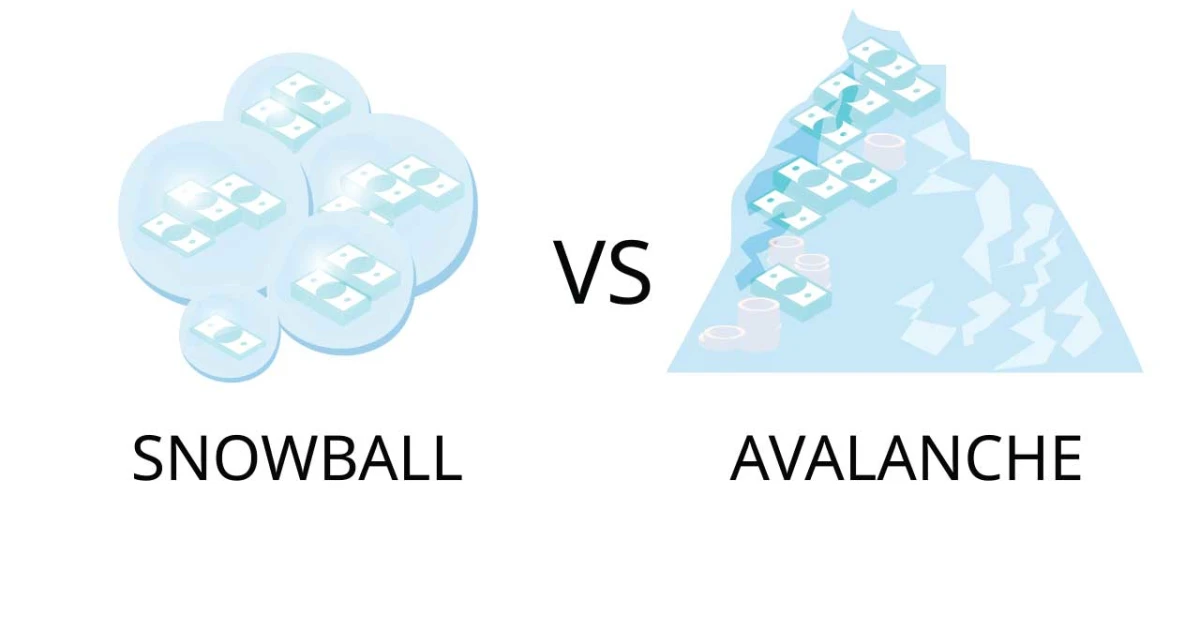
Debt Snowball vs Debt Avalanche: Which Strategy Helps You Become Debt-Free Faster?
Getting out of debt is not just about numbers. It is about behavior, motivation, and consistency. Two of the most popular and proven debt payoff strategies are the debt snowball and the debt avalanche methods. Both work, but they work differently.
Choosing the right strategy can determine whether you stay committed or give up halfway. This guide explains both methods clearly so you can decide which one fits your personality and financial situation best.
What Is the Debt Snowball Method?
The debt snowball method focuses on paying off the smallest debt first, regardless of interest rate.
Once the smallest debt is cleared, the payment amount is rolled into the next smallest debt. This creates momentum as debts disappear one by one.
The main advantage of this method is motivation.
Why the Debt Snowball Works Psychologically
Seeing quick wins builds confidence.
Clearing small balances early provides emotional satisfaction and reinforces positive behavior. This motivation helps many people stay consistent even when progress feels slow financially.
Momentum often matters more than math.
What Is the Debt Avalanche Method?
The debt avalanche method focuses on paying off the highest-interest debt first.
By targeting expensive interest, this strategy minimizes the total amount of interest paid over time. It is mathematically efficient and often faster financially.
Logic drives this approach.
Why the Debt Avalanche Saves More Money
High-interest debt costs more every month.
By eliminating it early, you reduce long-term interest expenses. This allows more money to go toward principal instead of fees.
Efficiency favors patience.
Snowball vs Avalanche: Key Differences
The difference between these methods is not effectiveness, but emphasis.
The snowball method prioritizes motivation, while the avalanche method prioritizes savings. Both eliminate debt when followed consistently.
The best method is the one you can maintain long-term.
Which Strategy Is Better for You?
Your personality matters more than theory.
If you struggle with motivation or feel overwhelmed, the snowball method may keep you engaged. If you are disciplined and focused on minimizing costs, the avalanche method may suit you better.
Self-awareness improves results.
Can You Combine Both Strategies?
Some people combine elements of both methods.
For example, clearing one small debt for motivation and then switching to high-interest debt. Flexibility increases sustainability.
Rigid rules are less important than progress.
Common Mistakes When Choosing a Strategy
Many people switch strategies too often.
Changing plans repeatedly slows progress and increases frustration. Choose one approach and commit for a meaningful period.
Consistency creates success.
How Long Does It Take to Become Debt-Free?
Debt freedom depends on income, debt size, and consistency.
The exact timeline matters less than forward movement. Even slow progress builds confidence and reduces financial pressure.
Direction matters more than speed.
Life After Debt Freedom
Once debt is gone, money feels lighter.
Cash flow improves, savings grow faster, and financial decisions become easier. The discipline built during debt payoff continues to benefit you long after debt disappears.
Freedom multiplies options.
Final Thoughts: Choose Progress Over Perfection
There is no perfect debt payoff strategy.
There is only the strategy you follow consistently. Whether you choose snowball or avalanche, commitment matters more than calculation.
Start today, stay consistent, and debt freedom will follow.