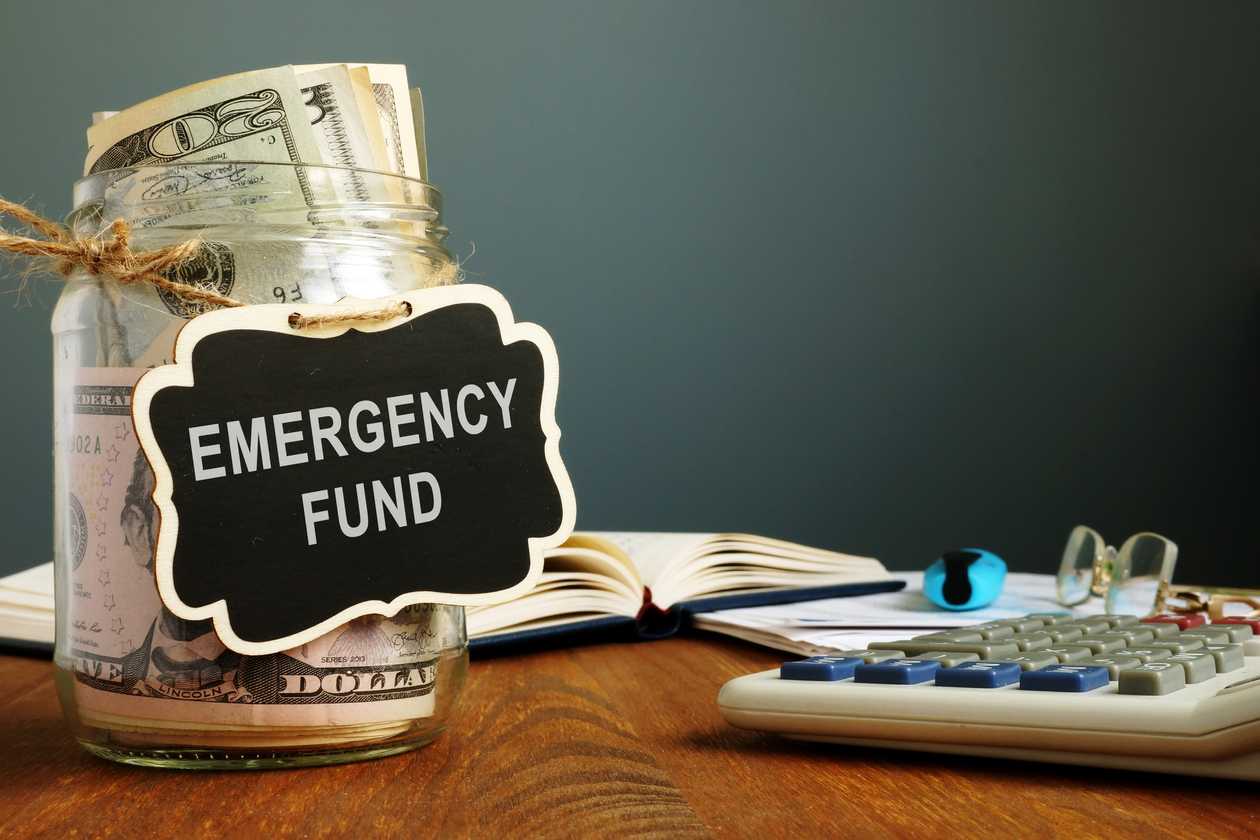
Emergency Fund Explained: Why It’s a Wealth Builder, Not Just Savings
Most people treat an emergency fund as a boring savings account that does nothing for wealth creation. This misunderstanding causes many to ignore it completely. In reality, an emergency fund is one of the most powerful financial tools you can build. It does not make you rich directly, but it protects everything you are trying to build.
Without an emergency fund, even a small unexpected expense can force you into debt, break your investment plan, or push you back to zero. With it, you gain stability, confidence, and long-term financial control.
What Exactly Is an Emergency Fund?
An emergency fund is money set aside specifically for unexpected and unavoidable situations. It exists to protect your financial life from sudden shocks.
True emergencies include medical issues, job loss, urgent home repairs, or any situation where income is disrupted. It is not meant for shopping, travel, or planned expenses.
This fund acts as a financial shock absorber.
Why an Emergency Fund Is a Wealth Builder
Wealth is not only about growth; it is also about protection. An emergency fund keeps you from destroying your own progress.
When emergencies hit and you don’t have cash, you rely on credit cards or loans. High-interest debt then eats future income and delays wealth building by years.
With an emergency fund in place, you stay invested, avoid panic decisions, and maintain momentum.
How Much Should You Save in an Emergency Fund?
The ideal size of an emergency fund depends on your lifestyle and income stability.
A general guideline is to save enough to cover three to six months of essential living expenses. This includes rent, food, utilities, transportation, and basic obligations.
If income is irregular or responsibilities are high, a larger buffer creates peace of mind.
Where Should You Keep Emergency Fund Money?
Accessibility and safety matter more than returns for emergency funds.
This money should be kept in a place where it is:
- Easy to access quickly
- Safe from market fluctuations
- Separate from daily spending and investments
The goal is not growth. The goal is availability when life becomes unpredictable.
How to Build an Emergency Fund From Scratch
Building an emergency fund feels difficult at first, especially when income is limited. The key is to start small and stay consistent.
Instead of waiting for the perfect amount, focus on creating the habit. Even small contributions create psychological security and discipline.
Once the habit is formed, increasing the amount becomes easier.
Common Mistakes People Make With Emergency Funds
Many people sabotage their emergency fund without realizing it.
Using the fund for non-emergencies defeats its purpose. Mixing it with investment money increases risk. Delaying it in favor of investing exposes you to unnecessary stress.
An emergency fund should always come before aggressive investing.
Emergency Fund vs Investments: What Comes First?
Investing without an emergency fund is like building a house without a foundation. You may grow money temporarily, but one unexpected event can collapse everything.
An emergency fund gives you the emotional stability to stay invested during market downturns and personal challenges.
Security enables growth.
How an Emergency Fund Improves Decision-Making
When you have financial backup, you make better decisions.
You don’t accept bad jobs out of fear. You don’t sell investments in panic. You don’t rush into debt under pressure.
This confidence itself contributes to long-term wealth creation.
Final Thoughts: Emergency Funds Protect Your Future Self
An emergency fund is not about fear. It is about preparation.
It protects your progress, your investments, and your peace of mind. It allows you to think long-term even when life becomes unpredictable.
If you want to build real wealth, start by protecting what you already have.